One of the most common calls Smallwood Flooring gets from homeowners in older Charlotte neighborhoods starts the same way: they've pulled up a corner of worn carpet and found original hardwood underneath. It's an exciting discovery, but it also raises a question that applies to plenty of visible hardwood floors too: is this floor worth refinishing, or does it need to be replaced? The answer depends on a handful of factors you can often check yourself before calling for an estimate.
Why so many Charlotte homes have hardwood hiding under carpet
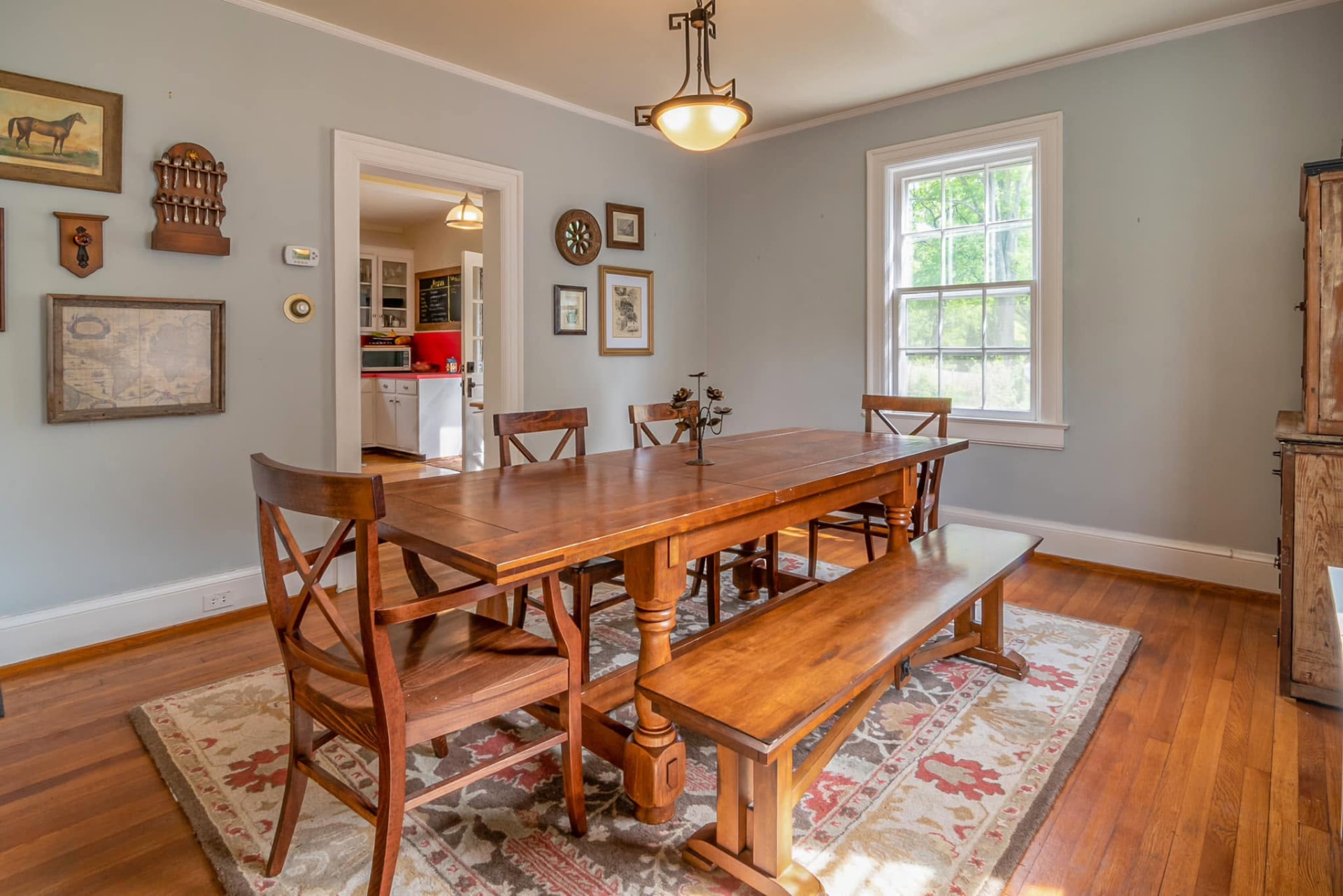
Charlotte's older neighborhoods are full of brick-ranch homes built in the 1950s through the 1970s, back when solid hardwood was the standard subfloor-and-finish-floor combination in most builders' plans. When wall-to-wall carpet became popular in later decades, many of these original floors were simply covered rather than removed. If your home falls into that era, there's a good chance solid oak or pine is sitting under your carpet right now, and pulling back a corner in a closet or under a heat register is often enough to find out.
Signs your existing hardwood is a good candidate for refinishing
Not every worn or dated-looking floor needs to be torn out. In most cases, hardwood refinishing can restore a floor's original beauty for a fraction of the cost of replacement, as long as the wood itself is structurally sound.
- Surface scratches, dullness, or an outdated stain color, but no soft or spongy spots underfoot
- Gaps between boards that are minor and consistent with normal seasonal movement
- No history of significant water damage or long-term moisture exposure
- Boards that are thick enough to be sanded again (solid hardwood usually has room for several refinishes)
- The subfloor and structure underneath are stable and free of rot
When replacement makes more sense
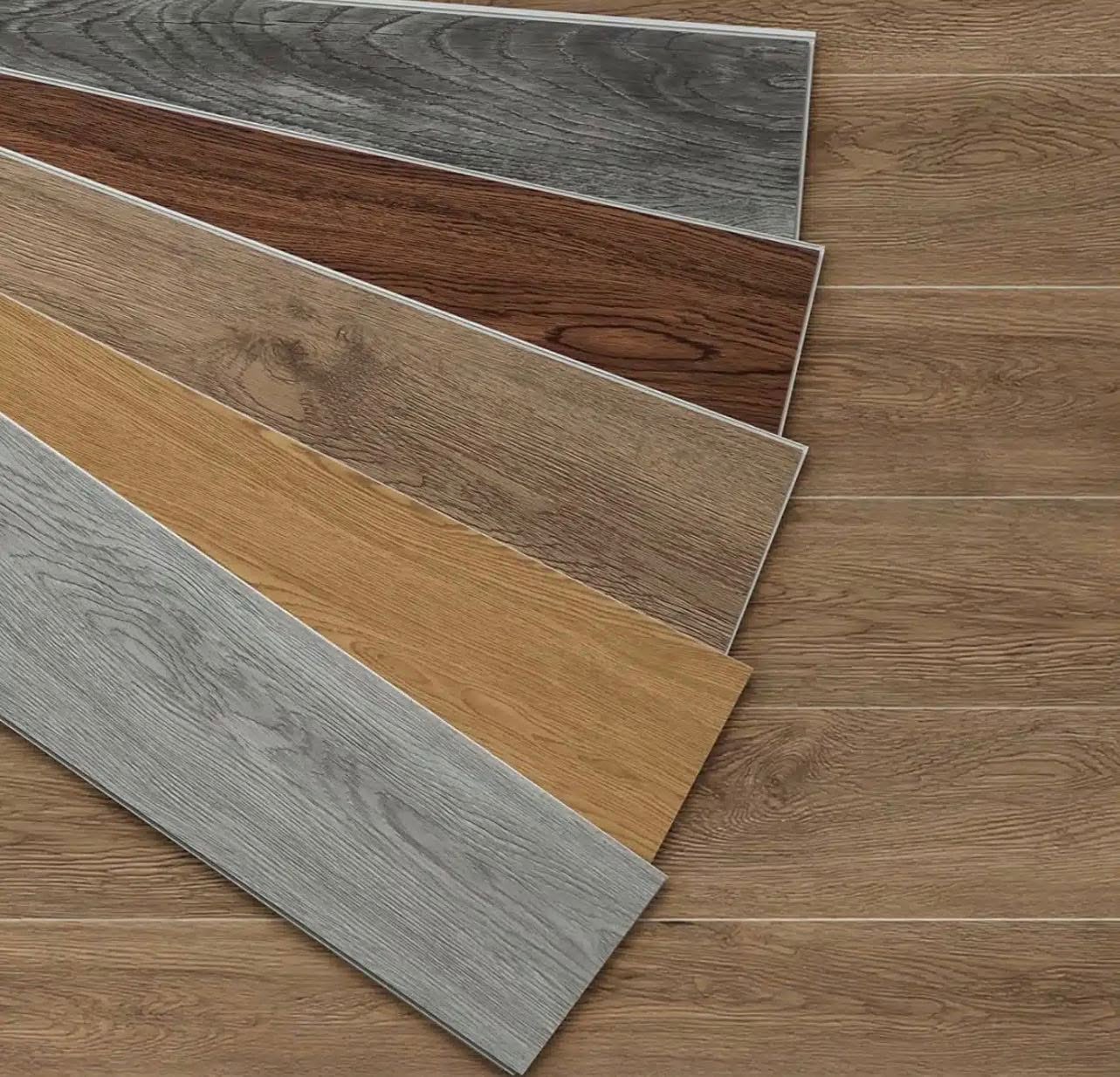
Refinishing has limits, and pushing an older floor past them can waste money. If a floor has already been sanded down close to the nail line, has warped or cupped significantly from moisture, or has widespread water or pet damage, replacement is usually the more cost-effective long-term choice. This is also the point where homeowners often decide between going back with real solid hardwood flooring for maximum longevity or choosing engineered hardwood, which handles humidity swings a little better and is a strong option for homes near Lake Norman, Lake Wylie, or other areas where moisture is a bigger factor.
- Boards are cupped, crowned, or visibly warped from moisture
- Previous refinishing has already thinned the wood close to the nails
- Significant water damage, rot, or pest damage is present
- You want to change wood species or plank width rather than restore the original look
What refinishing actually involves
A typical refinishing project involves sanding down the existing finish and top layer of wood, repairing any minor board damage, then applying a new stain and protective finish. It's dusty, temporary work, but it's usually completed in a matter of days rather than the longer timeline of a full tear-out and replacement. Because it uses the existing hardwood flooring rather than new material, it's also one of the more budget-friendly ways to dramatically change the look of a room.
What replacement involves
Full replacement means removing the old flooring down to the subfloor, addressing any subfloor repairs, and installing new hardwood. This is the right call when the existing wood can't be saved, but it's also an opportunity to reconsider plank width, wood species, or finish in a way that refinishing doesn't allow. Either way, the flooring installation process is handled with the same attention to detail, whether it's a full replacement or a fresh finish on an original floor.
How to know which one your floor needs
The honest answer is that it's difficult to tell for certain without a hands-on inspection. Board thickness, subfloor condition, and moisture history all factor into the recommendation, and guessing wrong can mean paying for a refinish that doesn't hold up or replacing a floor that didn't need it. William Smallwood and the Smallwood Flooring team have been evaluating hardwood floors across Charlotte since 2016, and every visit includes an honest assessment of which option actually makes sense for your home. Request a free estimate and call (980) 440-3523 to get a straight answer before you commit to either approach.